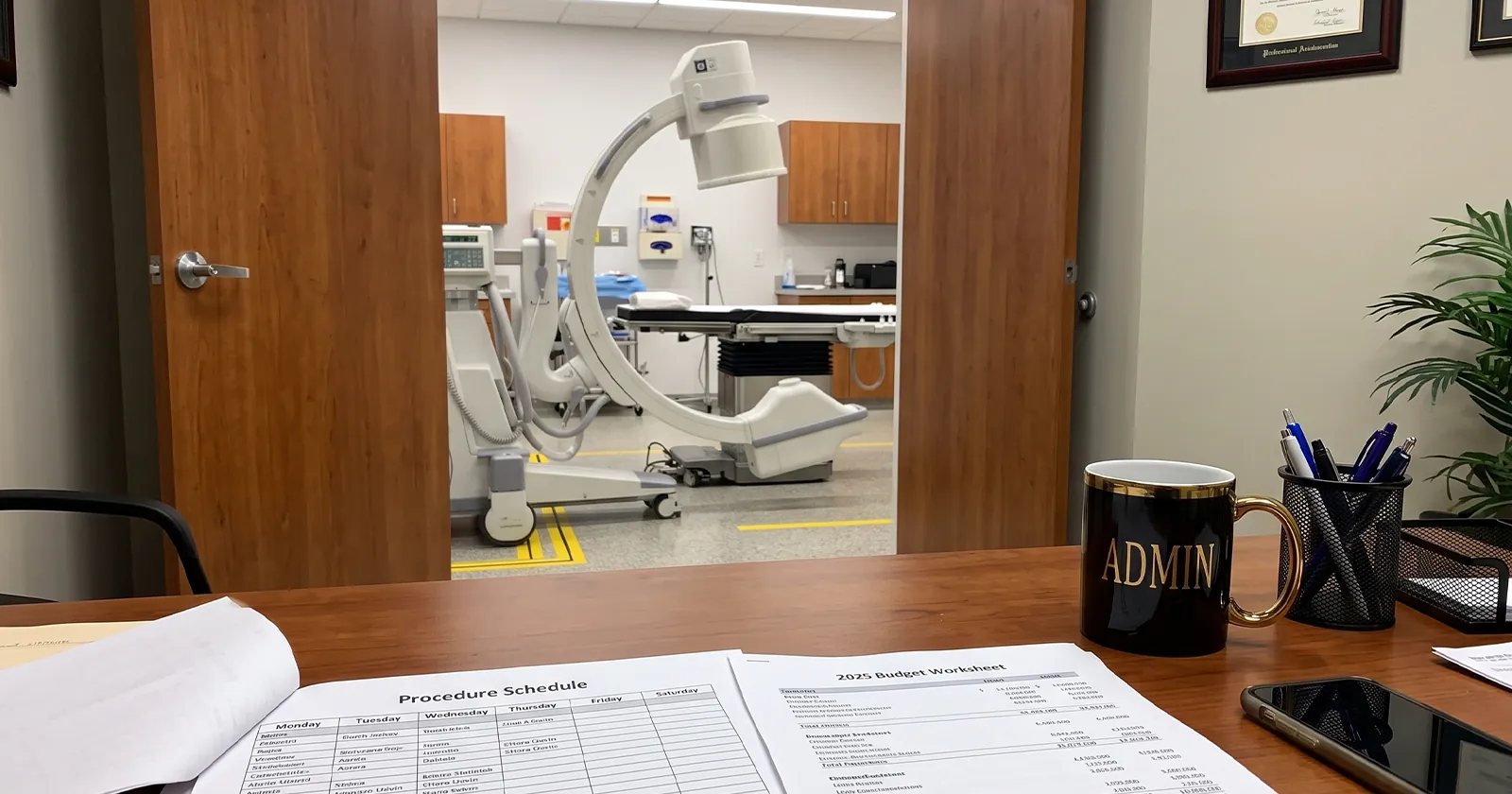
Opening an ambulatory surgery center involves hundreds of connected decisions. Equipment planning is one of the decisions that can delay everything else when it starts too late. The room may be finished and the first cases may be scheduled, but the facility still needs the right equipment, qualified personnel, acceptance steps and a realistic plan for what happens when a system is unavailable.
This guide focuses on the equipment-rental side of opening a Florida surgery center, especially mobile C-arm fluoroscopy. It is an operational planning resource, not legal, accreditation or clinical advice. Your facility should confirm applicable requirements with its administrators, clinical leadership, radiation-safety resources, accrediting organization and Florida regulators.
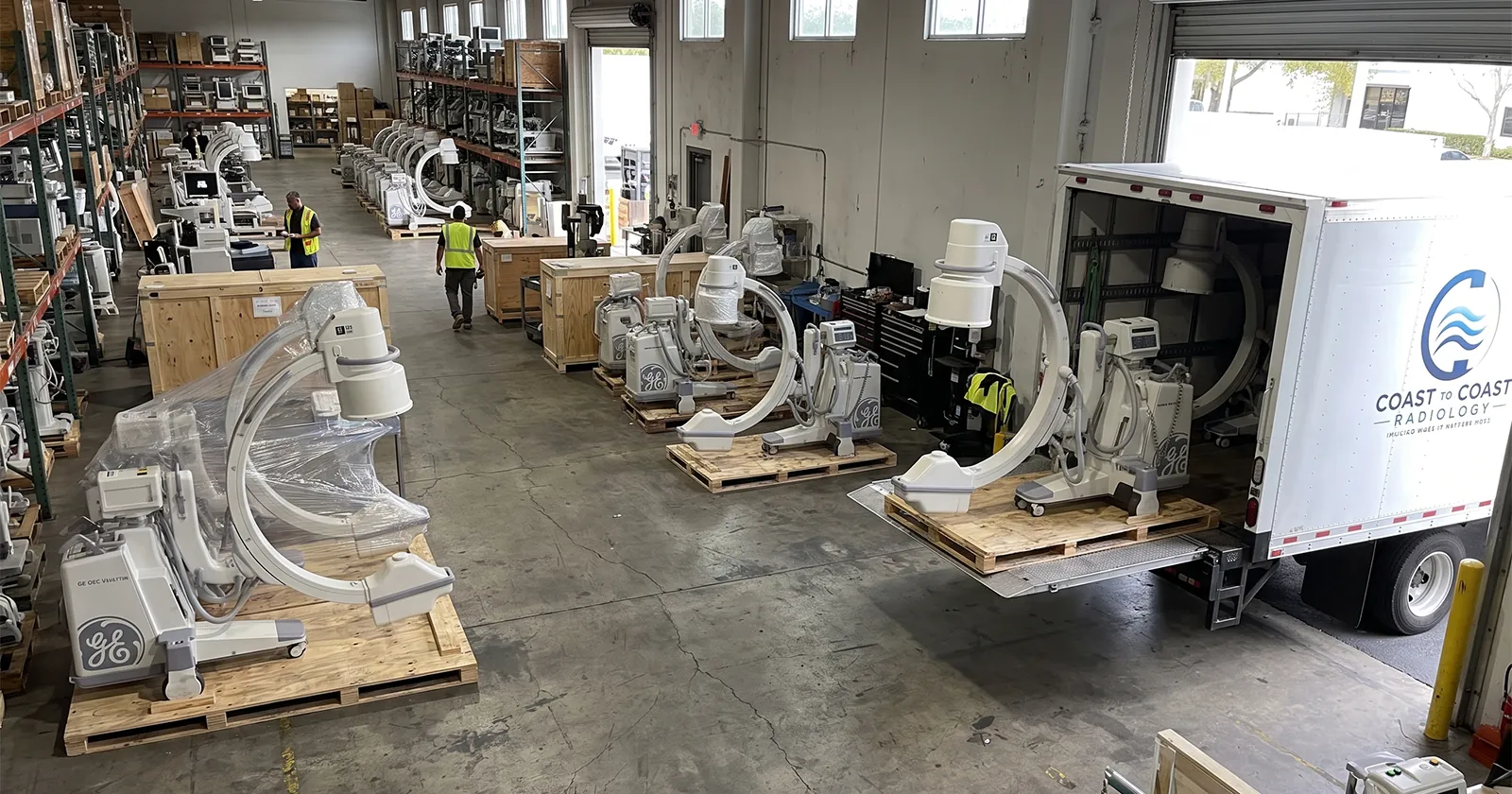
- Fleet of 20 Machines + 11 Trucks, Statewide
- Delivery Window Confirmed Per Request
- 24/7 Direct Access to Travis & Sean
- GE OEC 9900 Elite and 9800 Available
- Delivery, Setup & Retrieval as Agreed
Start With the Procedure Schedule, Not an Equipment Catalog
A list of machines is not a plan. Begin with the procedures the center expects to perform, the rooms where they will take place, the physicians involved, the required imaging and the frequency of each block. Those inputs determine whether a C-arm is needed every day, only for particular specialties or as temporary coverage while the center builds volume.
Ask the clinical team which views, detector size, image-management capabilities and model features they expect. A familiar model name is useful, but individual configurations can differ. The goal is to define what the schedule requires before requesting quotes or committing capital.
Decide What Must Be Owned and What Can Be Rented
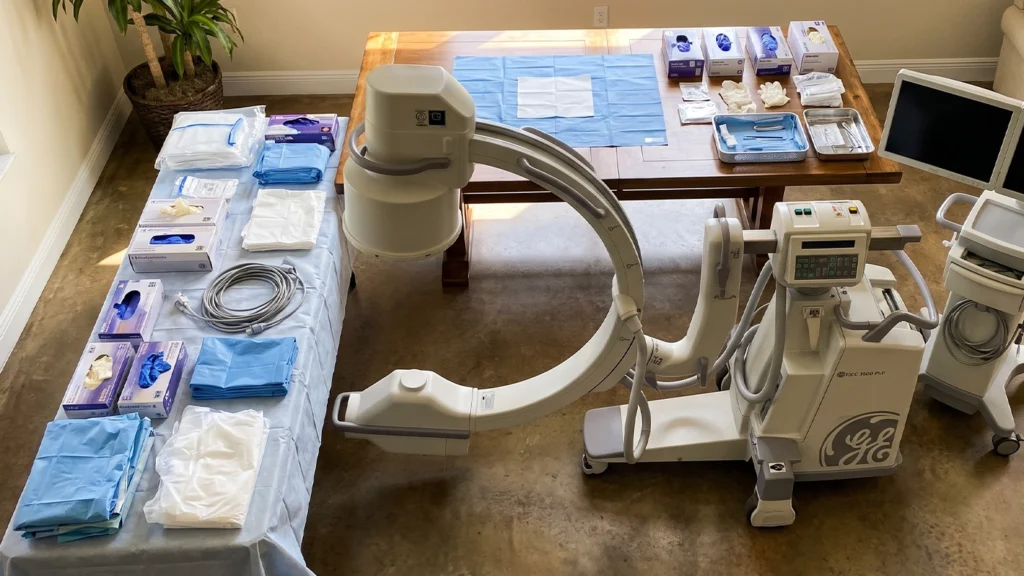
Ownership may make sense for equipment with stable daily utilization, a funded maintenance program and an established replacement plan. Rental can be useful when demand is still uncertain, equipment is needed only on selected days, a new room is ramping up or the facility needs temporary capacity.
The comparison should include more than acquisition price. Consider delivery, acceptance, preventive maintenance, service coverage, calibration, insurance, replacement planning, staffing and the operational effect of downtime. CTCR does not publish generic rental prices because the useful comparison depends on the model, configuration, location, dates and expected term.
For a line-by-line framework, read the fluoroscopy equipment cost breakdown and the guide to budgeting for C-arm rental.
Plan the C-Arm Around the Room and Workflow
Room Access and Equipment Movement
Confirm the loading entrance, doorway widths, elevator capacity, hallway turns and route to the procedure room. The room also needs enough space for the C-arm, workstation, table, staff movement and the workflow established by the facility.
Power, Connectivity and Image Management
The clinical and technical teams should identify power requirements, display expectations, image storage or export needs and any connections the facility expects to use. Do not assume every unit in the same model family has the same software or image-management configuration.
Qualified Personnel
Equipment rental and staffing are separate decisions. The facility is responsible for ensuring that operators and clinical personnel meet applicable qualifications, credentialing and training requirements. If the center needs help coordinating a technologist, CTCR may be able to connect the facility with a staffing partner, subject to separate availability and terms.
Radiation Safety and Quality Assurance
C-arms use ionizing radiation. Florida facilities need an appropriate radiation-safety and quality-assurance program, trained operators and the required registrations, policies and oversight. The Florida Bureau of Radiation Control and the FDA fluoroscopy overview are useful starting references, but the facility must determine which rules apply to its operation.
When C-Arm Rental Can Fit an ASC Opening
Before Case Volume Is Proven
A new center may have projections but not yet have reliable utilization data. Renting can give the organization time to observe actual procedure-day demand before deciding whether a permanent purchase fits the schedule.
While a Purchased Unit or Room Is Pending
Construction, delivery and acceptance timelines do not always line up with the planned opening date. A rental may provide temporary equipment coverage when the room and facility requirements are otherwise ready, subject to the available unit and schedule.
For Selected Procedure Days
Some ASCs need fluoroscopy only for particular specialties or block days. A daily or recurring rental can align equipment availability with those dates instead of placing an owned system in the room every day.
For Backup and Overflow Capacity
Even facilities that own a C-arm may need temporary coverage during service or periods when two rooms require equipment at the same time. The backup plan should be discussed before the opening schedule becomes dependent on a single machine.
What a Florida C-Arm Rental Request Should Include
Give the rental provider enough information to evaluate the real request:
• Facility name and complete delivery address
• Requested delivery date and first-case time
• Planned procedures and expected case volume
• Preferred model or required configuration
• Rental length and recurring dates
• Loading, elevator, doorway and room-access details
• On-site contact and receiving instructions
• Whether qualified staffing is already arranged
• Any critical support or response requirements
Coast to Coast Radiology rents full-size GE OEC mobile C-arm systems to professional facilities across its Florida service area. The team coordinates delivery, equipment-side setup and pickup as defined in the rental agreement. Review the surgery C-arm machine rental page and the main C-arm rental hub before requesting availability.
Build a Contingency Plan Before the First Case
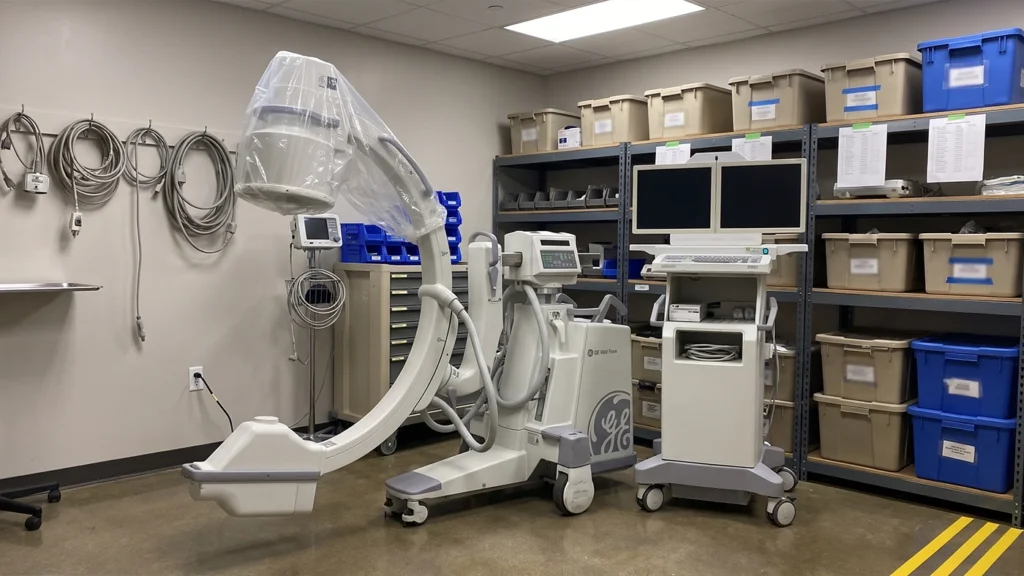
Ask what happens if the assigned unit develops a problem, who the facility calls, what troubleshooting is expected and how replacement options are determined. Response depends on the problem, location, available fleet and agreement, so avoid relying on an unqualified promise of instant replacement.
The facility should also know how a delayed delivery, changed procedure date, room change or extended rental affects the plan. Put critical expectations in the agreement rather than waiting for opening week to discover that the parties assumed different things.
A Practical Equipment Timeline for a New Surgery Center
Early Planning
Define the case mix, rooms, imaging needs, staffing model and ownership-versus-rental approach while the facility plan is still being developed.
Before Scheduling the First Procedure Block
Confirm the equipment category, model or configuration, qualified operators, room access, facility requirements and target rental dates. Leave time for questions that involve administrators, clinical leadership or outside vendors.
Before Delivery
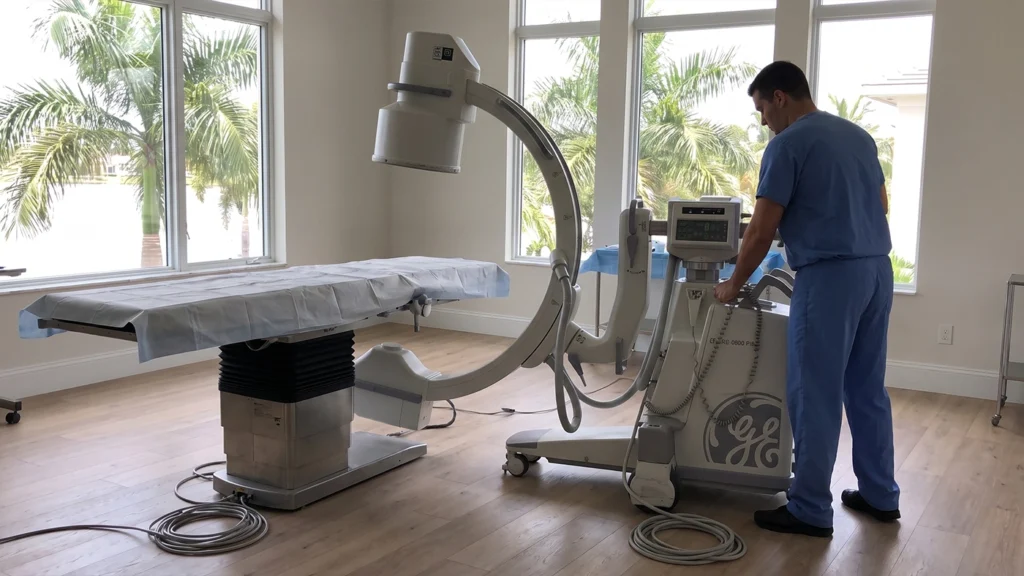
Reconfirm the address, on-site contact, receiving instructions, delivery window, route to the room and any changes to the case schedule. The facility should complete its own readiness and acceptance steps before patient procedures begin.
After Opening
Track actual equipment utilization, changes in case mix, service issues and schedule pressure. Those records make the later rent-versus-own decision more reliable than the projections created before opening.
Frequently Asked Questions About Florida Surgery Center Equipment
Put the Equipment Plan on the Opening Checklist
If your Florida surgery center needs a C-arm for opening, selected procedure days or temporary coverage, call Travis or Sean at (941) 371-9659. Bring the address, dates, planned cases and equipment requirements. CTCR will check the fleet and explain the available rental and delivery options for that facility.
When should a new surgery center start planning C-arm equipment?
Start during facility and workflow planning, before procedure dates are committed. Equipment choice affects space, access, staffing, safety planning and the opening schedule.
Can a Florida surgery center rent a C-arm for selected procedure days?
Yes. Daily and recurring arrangements may be available, subject to the requested model, configuration, facility location, dates and fleet schedule.
Does a C-arm rental include a technologist?
Not automatically. Equipment rental and operator staffing are separate. CTCR may be able to coordinate a technologist through a partner under separate availability and terms.
Who is responsible for radiation safety and clinical readiness?
The facility is responsible for its clinical program, qualified personnel, credentialing, registrations, acceptance requirements, policies and radiation-safety obligations. A rental provider supplies equipment and the agreed equipment-side services.
Which C-arm model should an ASC request?
It depends on the planned cases, required views, image-management needs and configuration expected by the medical team. CTCR works with GE OEC 9900 Elite and 9800 systems and confirms the proposed unit for each request.
How quickly can equipment be delivered?
Timing depends on the facility location, requested equipment, notice, access requirements and current fleet schedule. Call with the exact address and first-case time for a realistic answer.
Does CTCR help patients schedule imaging?
No. Coast to Coast Radiology rents C-arm equipment to professional facilities and does not provide patient imaging appointments or image interpretation.